Yiming Tang
Email: yiming at nus dot edu dot sg
Google Scholar: View Profile
Curriculum Vitae: View CV
WeChat: Yiming_Tangible
Location: MD1, 12 Science Drive 2, Singapore
About Me
Hi! I'm Yiming, a third-year PhD student in National University of Singapore, very fortunate to be advised by Prof. Dianbo Liu. I lead the interpretability research group in Artificial Scientific Intelligence Lab. My research primarily aims to develop algorithms and theories toward a better understanding of intelligence for both scientific research and AI safety, currently centered around the identification of human-interpretable concepts encoded in LMMs, and shifting toward tracking representation drifts induced by post-training. During my undergraduate studies, I was very lucky to collaborate with Prof. Bin Dong, Prof. Shanghang Zhang, and Prof. Hao Dong.
News
- [2026.8] One paper accepted in npj Artificial Intelligence (LanSE) . 🎉
- [2026.7] I have passed all of my qualifying examinations for my PhD program at NUS. 🎉
- [2026.7] One paper finished and preprinted on arXiv (GCFF) . 🎉
- [2026.7] I have recieved my certification for the Technical AI Safety Project from Bluedot. 🎉
- [2026.6] One paper accepted in Transactions on Machine Learning Research (SAEGA) . 🎉
- [2026.6] I have joined Alibaba Security for an internship on AIGC and AI Agent Safety. ✈️
- [2026.6] Our team is achknowledged and selected in the AI Safety Research Directory . 🎉
- [2026.3] One paper accepted (spotlight) in CVPR XAI4CV Workshop (Matryoshka Transcoder) . 🎉
- [2025.12] Our work, LanSE, has been selected in NUS Invision's SIMFONI programme . 🎉
- [2025.9] One paper finished and preprinted on arXiv (CXR-LanIC) . 🎉
- [2025.1] One paper accepted in International Conference on Machine Learning (SAN) . 🎉
- [2024.5] One paper finished and preprinted on arXiv (Demonstration Notebook) . 🎉
- [2024.3] One paper accepted in European Conference on Computer Vision (LLM Dataset Analyst) . 🎉
- [2023.10] One paper accepted in Journal of Machine Learning (PE Lens) . 🎉
- [2023.5] One paper finished and preprinted on arXiv (IntFF) . 🎉
Research Interests
My research interests focus on:
- Mechanistic Interpretability: Understanding the internal representation space of machine learning models, particularly vision-language models, by identifying specific concepts encoded within them.
- AI Safety: Assessing and benchmarking the safety and trustworthiness of AI systems and their generated contents, frequently utilizing interpretability modules and techniques.
- Representation Learning: Enhancing representation learning algorithms based on our understanding of the internal representation space of machine learning models.
- Reinforcement Learning: Studying how reinforcement learning algorithms changes the internal representation space of LLMs and LMMs.
Beyond these topics, I am also broadly interested in LMMs and AI Agents. See What We Work On.
Collaboration
I'm highly open for mutually beneficial collaborations with the central aim to advance AI Interpretability and AI safety via scientific research. Researchers working on aligned research topics are especially welcome. I can also offer research intern positions for undergraduate and master students. Feel free to contact me directly via email or WeChat if you are interested in our research.
Selected Works
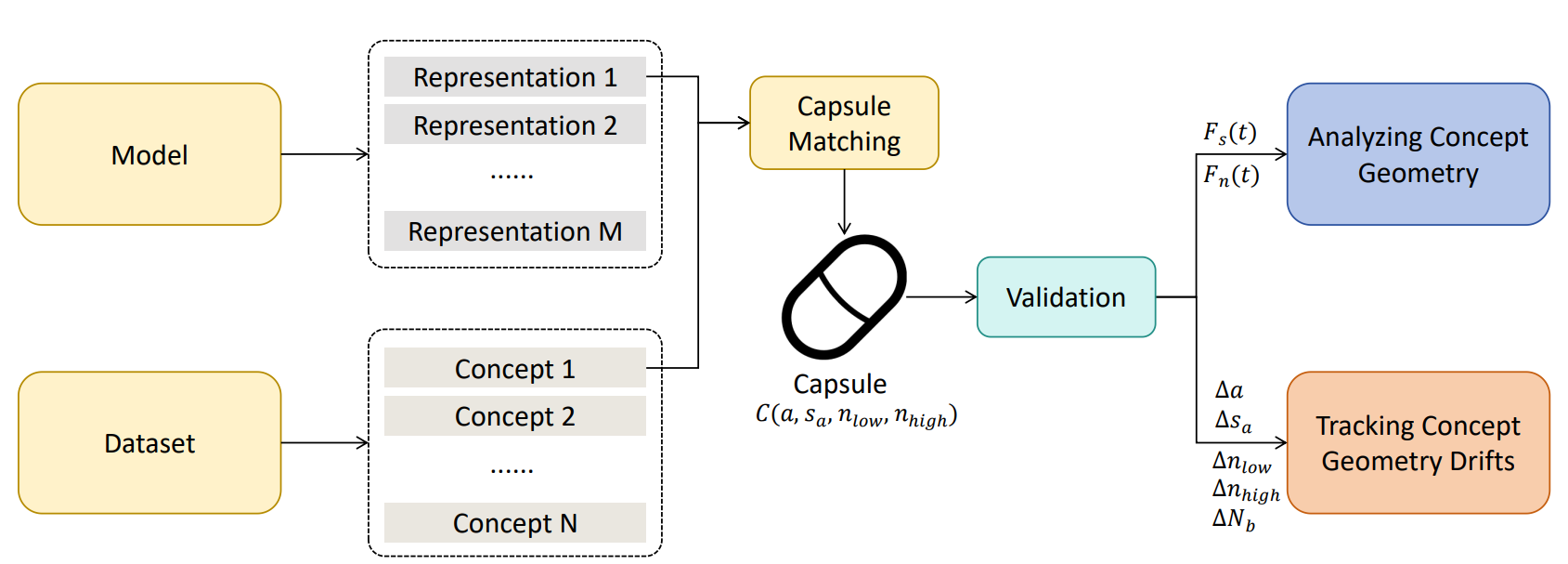
We develop Capsule Lens to provide a training-free utility to analyze and track concept geometry for both static and dynamic representations.
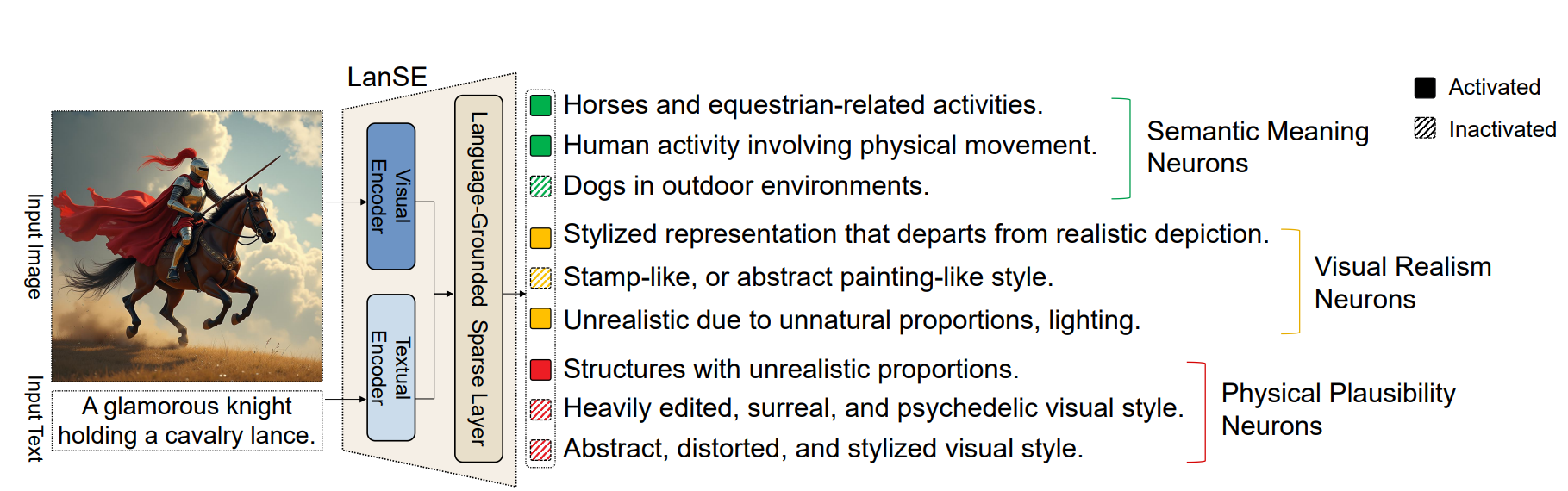
We develop LanSE and decompose natural and medical images into interpretable visual patterns grounded in natural language, supporting fine-grained analysis on AI generated contents.
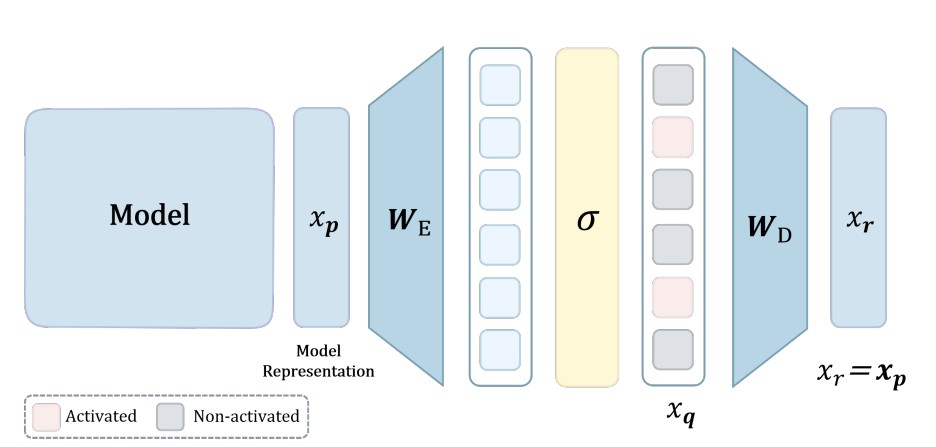
We develop the first theoretical framework for sparse dictionary learning in mechanistic interpretability.
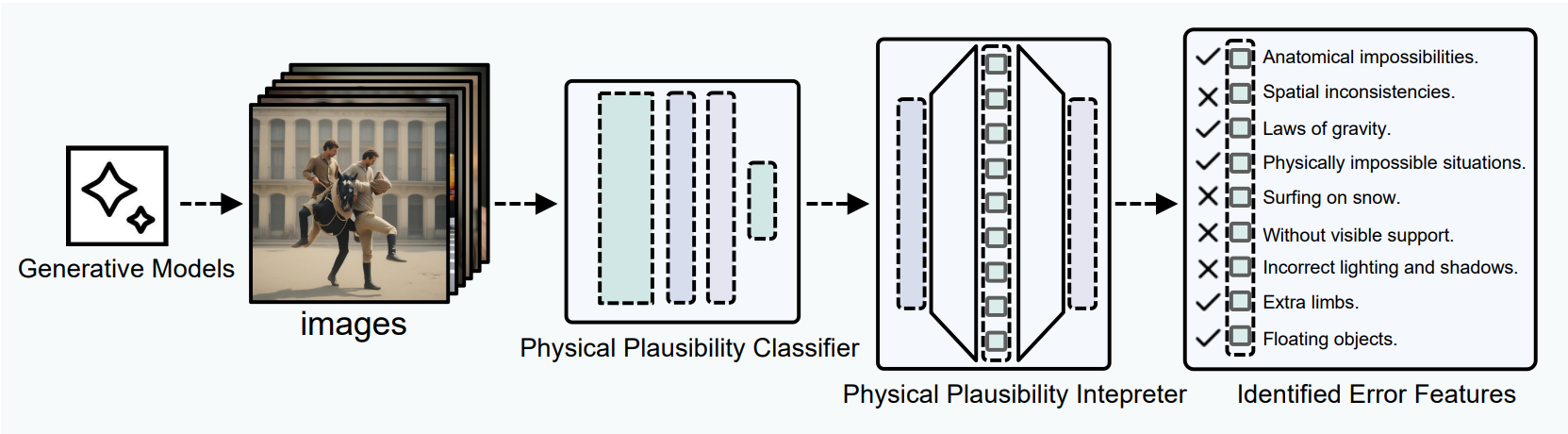
We develop matryoshka transcoders and utilize it to identify physical plausibility failure modes of generative models, achieving SOTA performances in targeted feature discovery.
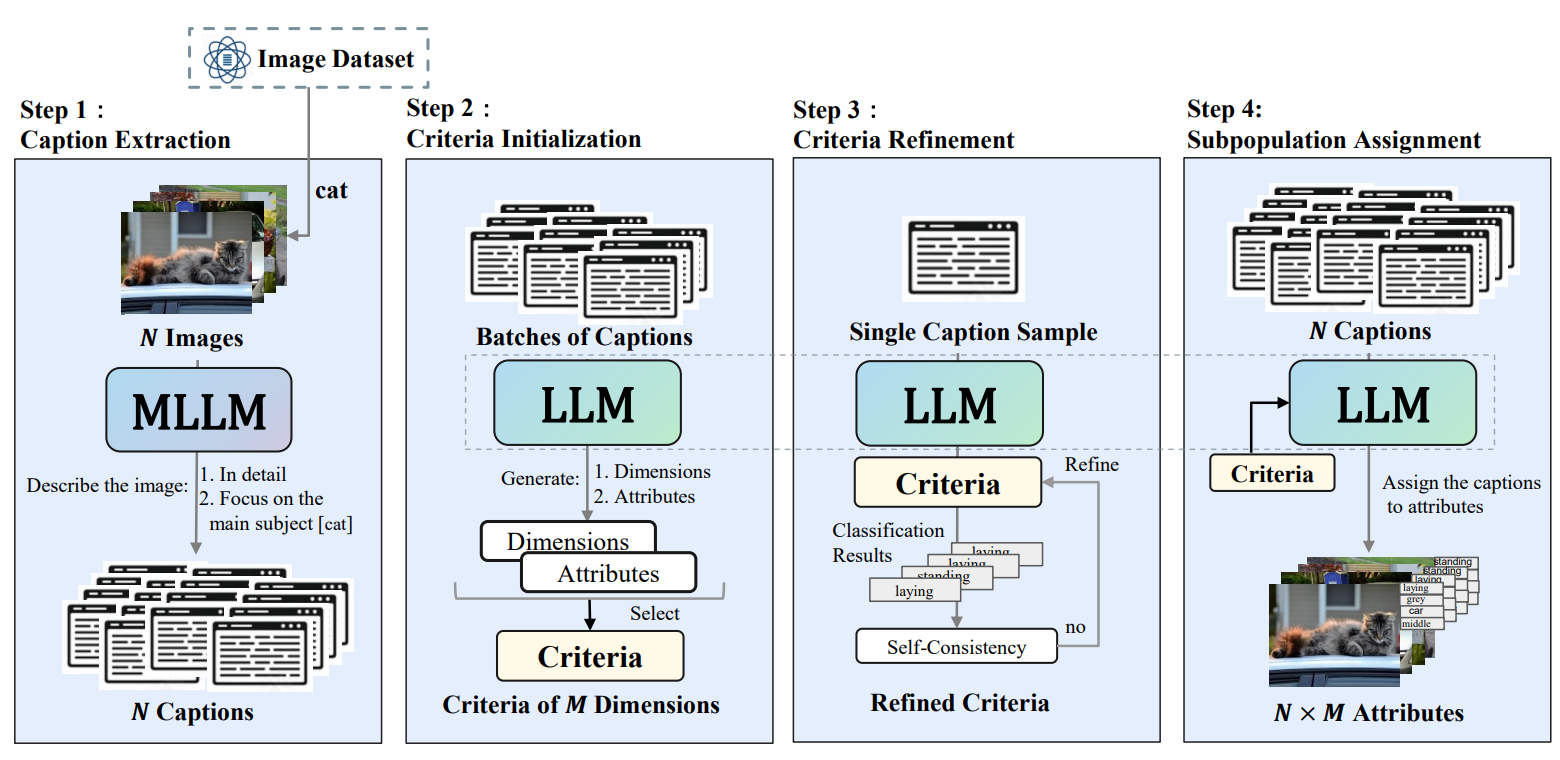
We are the first in the literature to prompt engineer LLMs to inspect datasets and analyze their subpopulation structures, paving the way for advanced dataset analysis with LLMs.
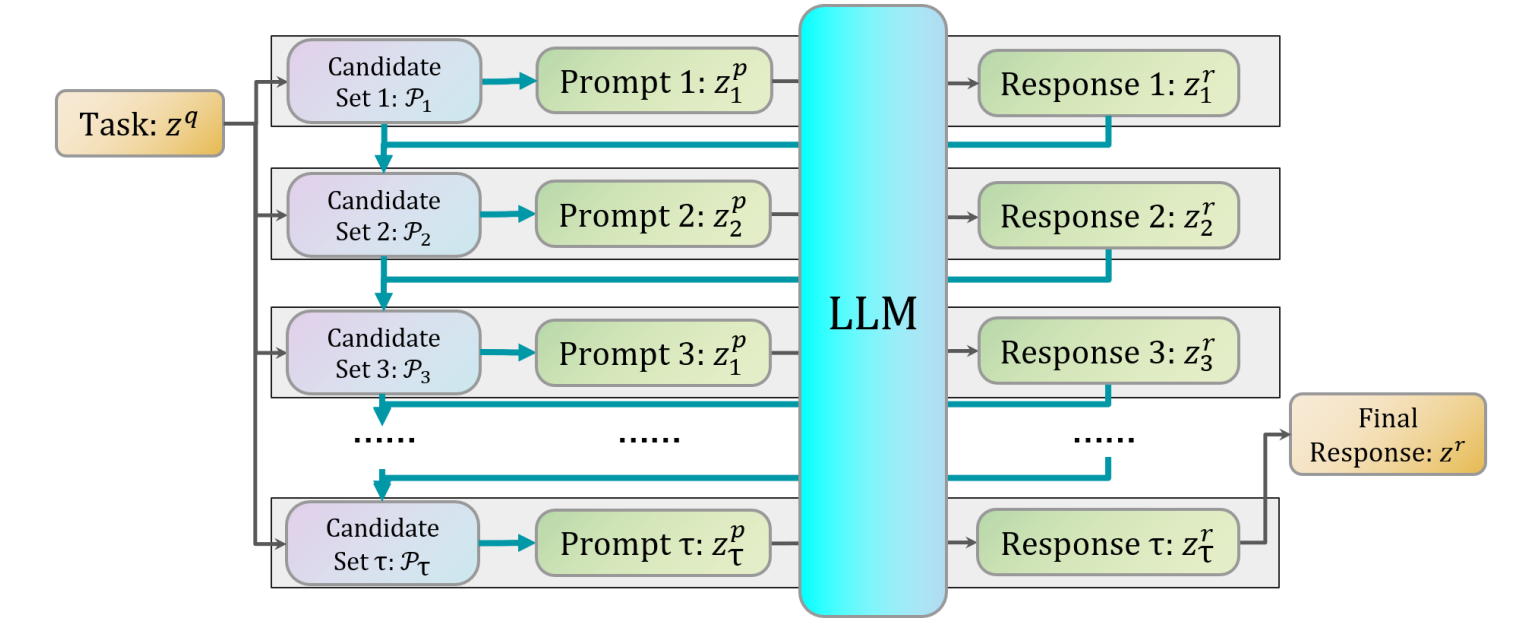
We are one of the first approaches to develop a theoretical framework to understand various prompt engineering methods through the lens of rigorous optimal control theory.
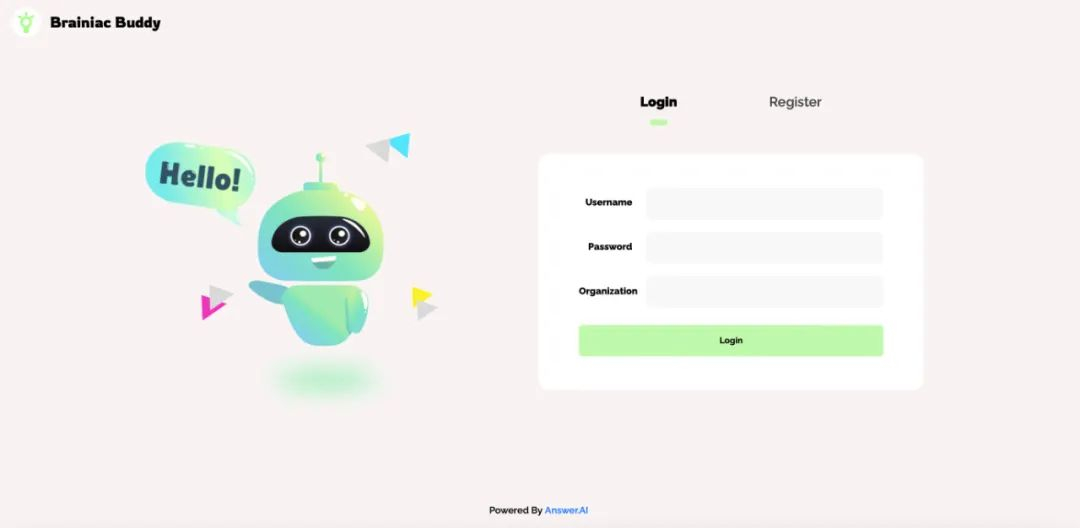
It was a real honor to participate in the early development of Brainiac Buddy, an AI-powered teaching assistant with real-world applications in Peking University developed by Bin Dong's team.
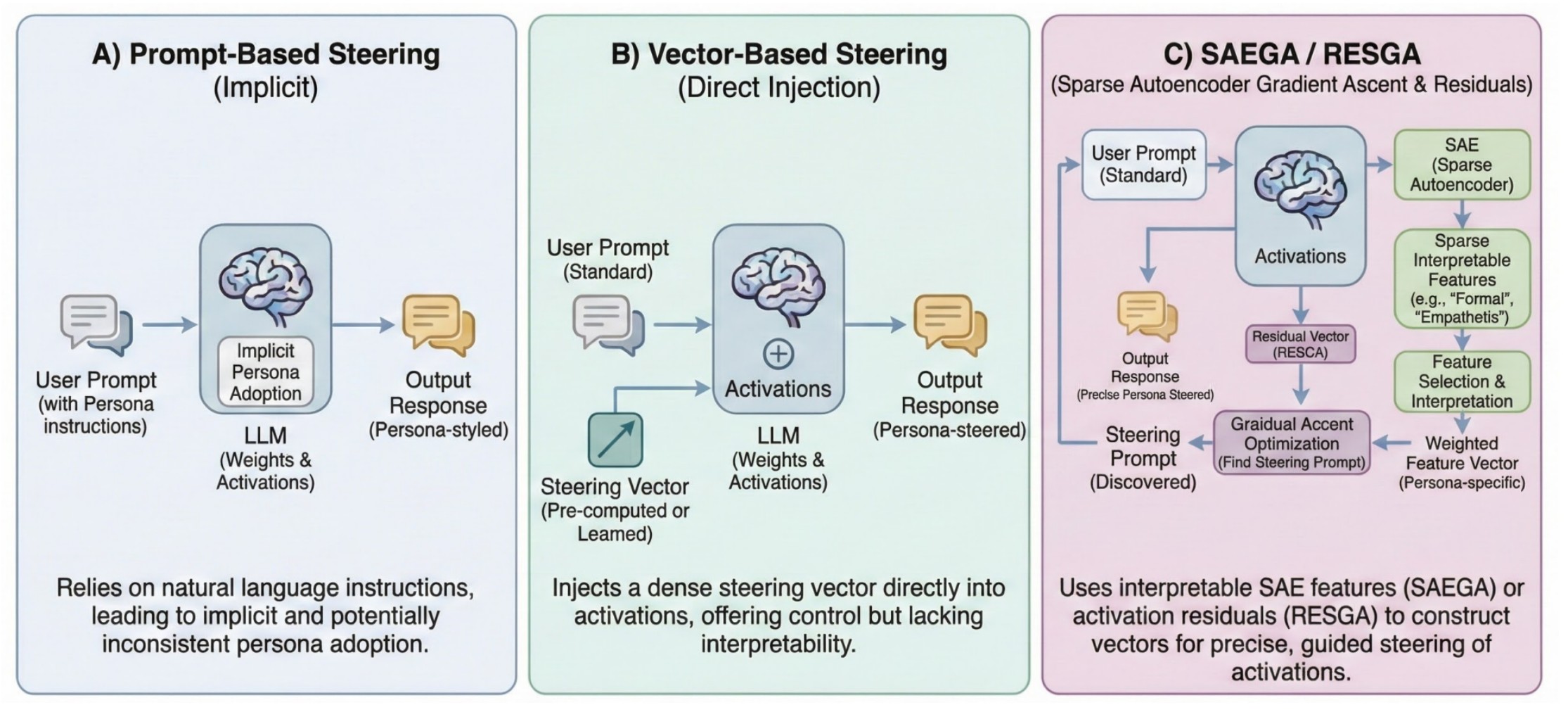
We are the first in the literature to apply gradient ascent on MechInterp features to support prompt engineering for persona control.
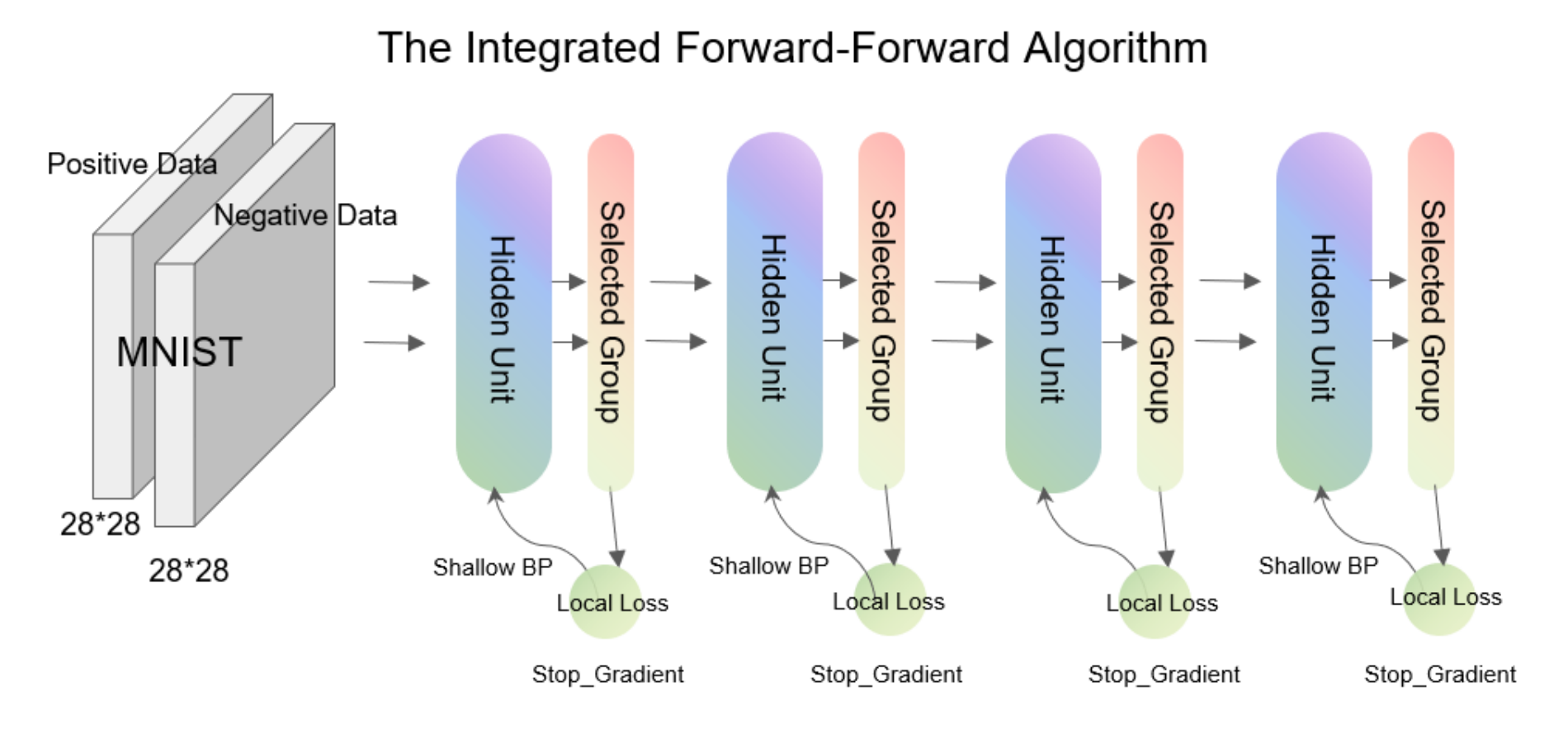
We follow Hinton's Forward-Forward algorithm and make it applicable for deeper layers via the introduction of local losses.
Publications and Preprints
For a complete list of publications, please visit my Google Scholar profile.
Education

Doctor of Philosophy, College of Design and Engineering
Bachelor of Science, School of Mathematical Sciences
Talks
National University of Singapore
July 20th, 2026
Alibaba
July 8th, 2026
National University of Singapore
January 28th, 2026
National University of Singapore
October 15th, 2025
National University of Singapore
July 10th, 2025
Peking University
April 22th, 2024
Peking University
March 28th, 2024
Peking University
March 11th, 2024
Experiences

Alibaba Security, Alibaba Group Holding Limited, Hangzhou
June 2026 - Present
Supervisor: Hang Zhou

Artificial Scientific Intelligence Lab, National University of Singapore, Singapore
August 2024 - Present
Supervisor: Dianbo Liu

Human Machine Intelligence Lab, Peking University, Beijing
2023 - 2024
Supervisor: Shanghang Zhang
Beijing International Center for Mathematical Research, Peking University, Beijing
2023 - 2024
Supervisor: Bin Dong

Aijianzi, Beijing Aijianzi Education Technology, Beijing
2019 - 2021
Supervisor: Xiaojun Hu
Mentorship
I have had the privilege of mentoring several students working on research topics in Mechanistic Interpretability, Neuroscience, and AI for Biomedical Sciences.

Indian Institute of Technology, Dhanbad, India
Hong Kong University of Science and Technology, Hong Kong, China
Chinese University of Hong Kong, Hong Kong, China
Lund University, Lund, Sweden
Peking University, Beijing, China

National University of Singapore, Singapore
Meet Desmond
An honor and a pleasure to introduce to you here my most adorable cat, Desmond, the docent of my research and the guardian of this website. Have a chat and he will answer your questions in my absence.